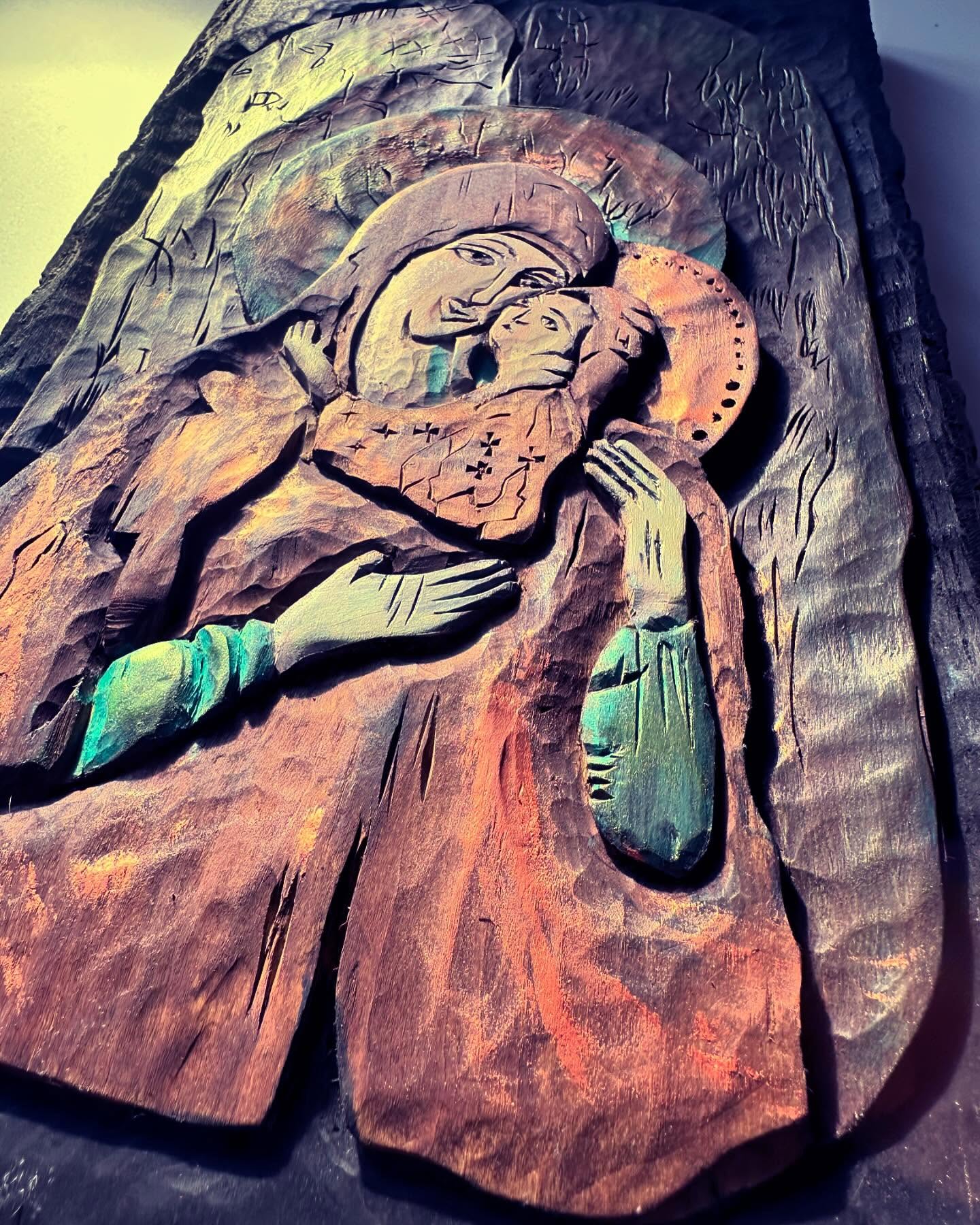
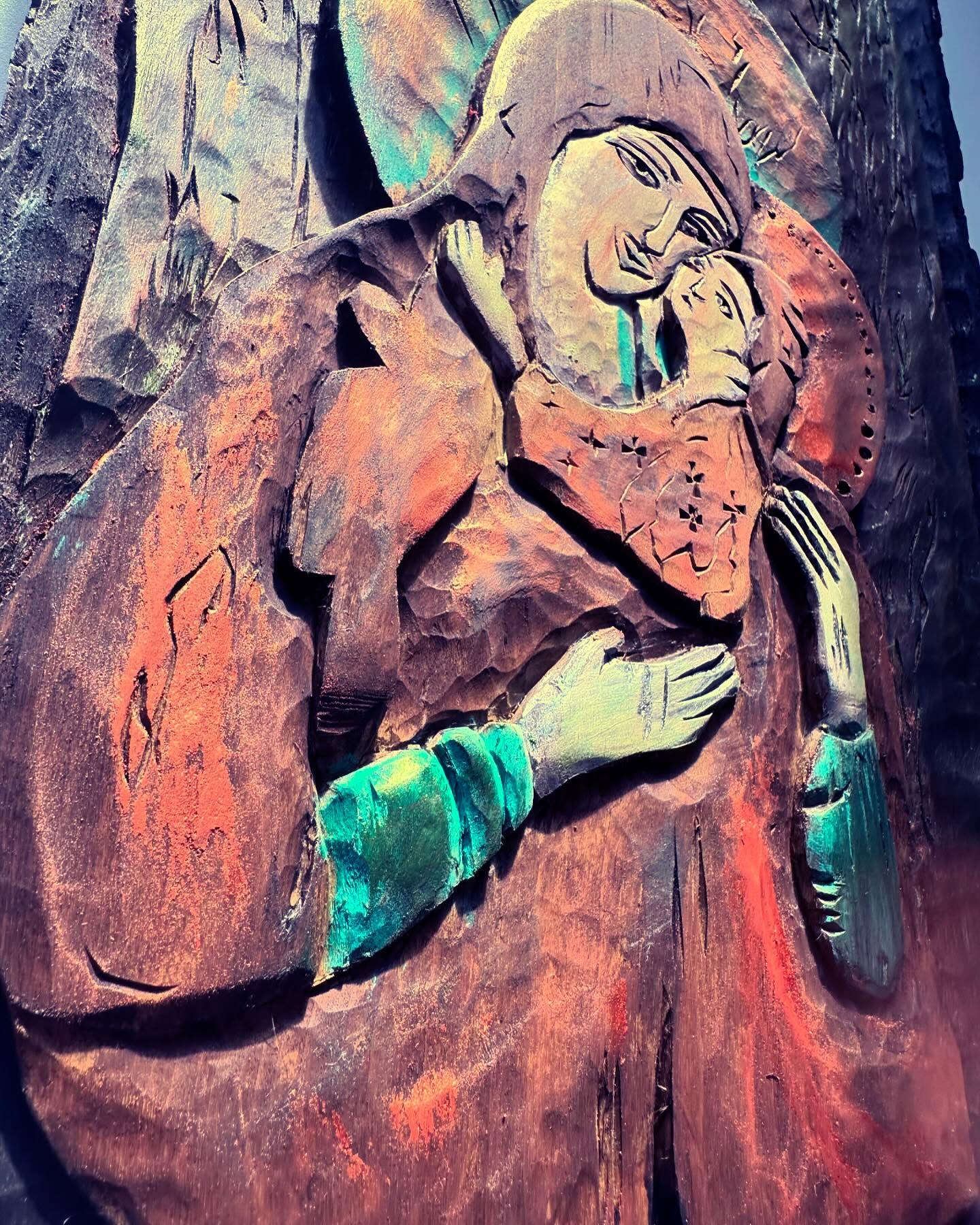
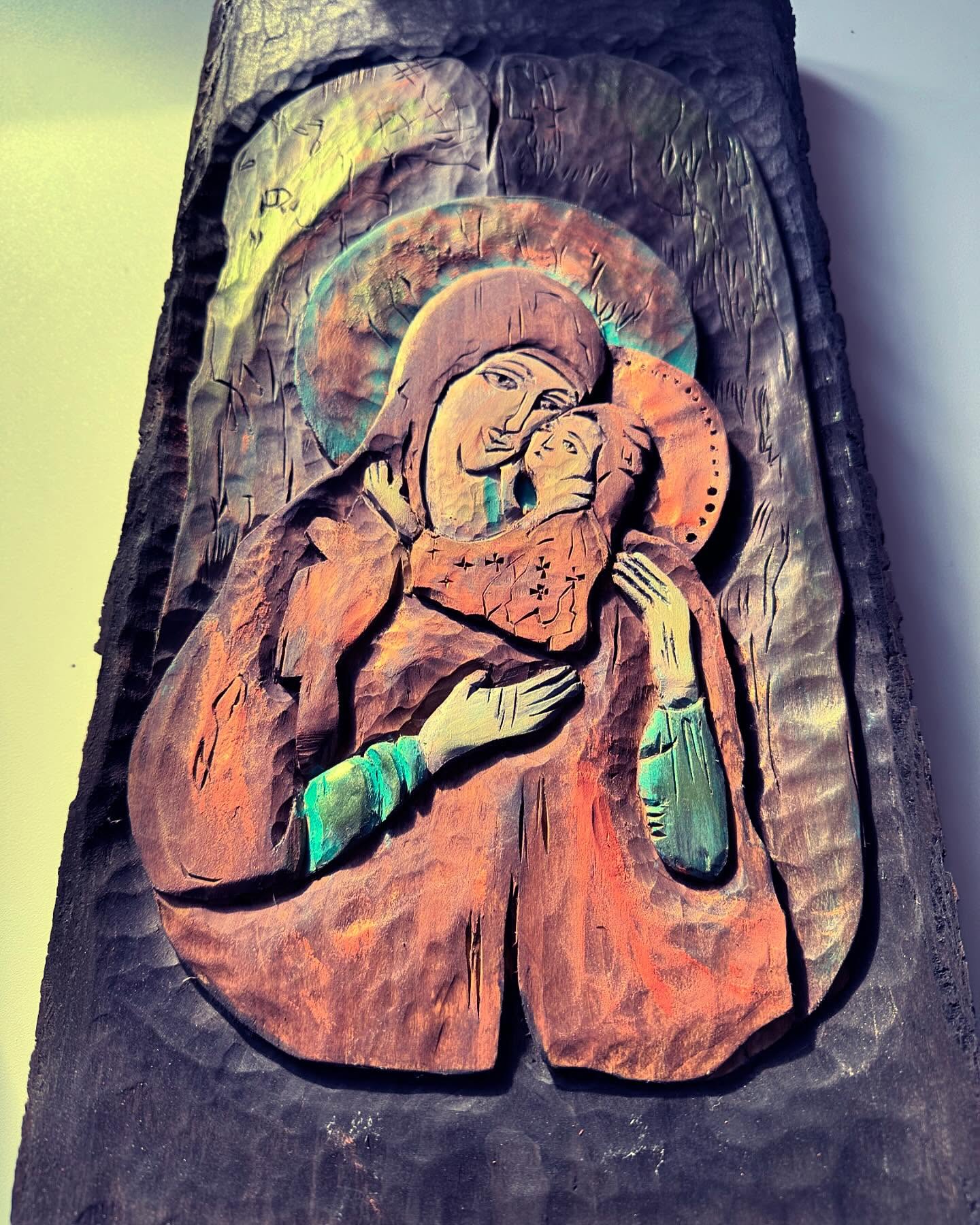
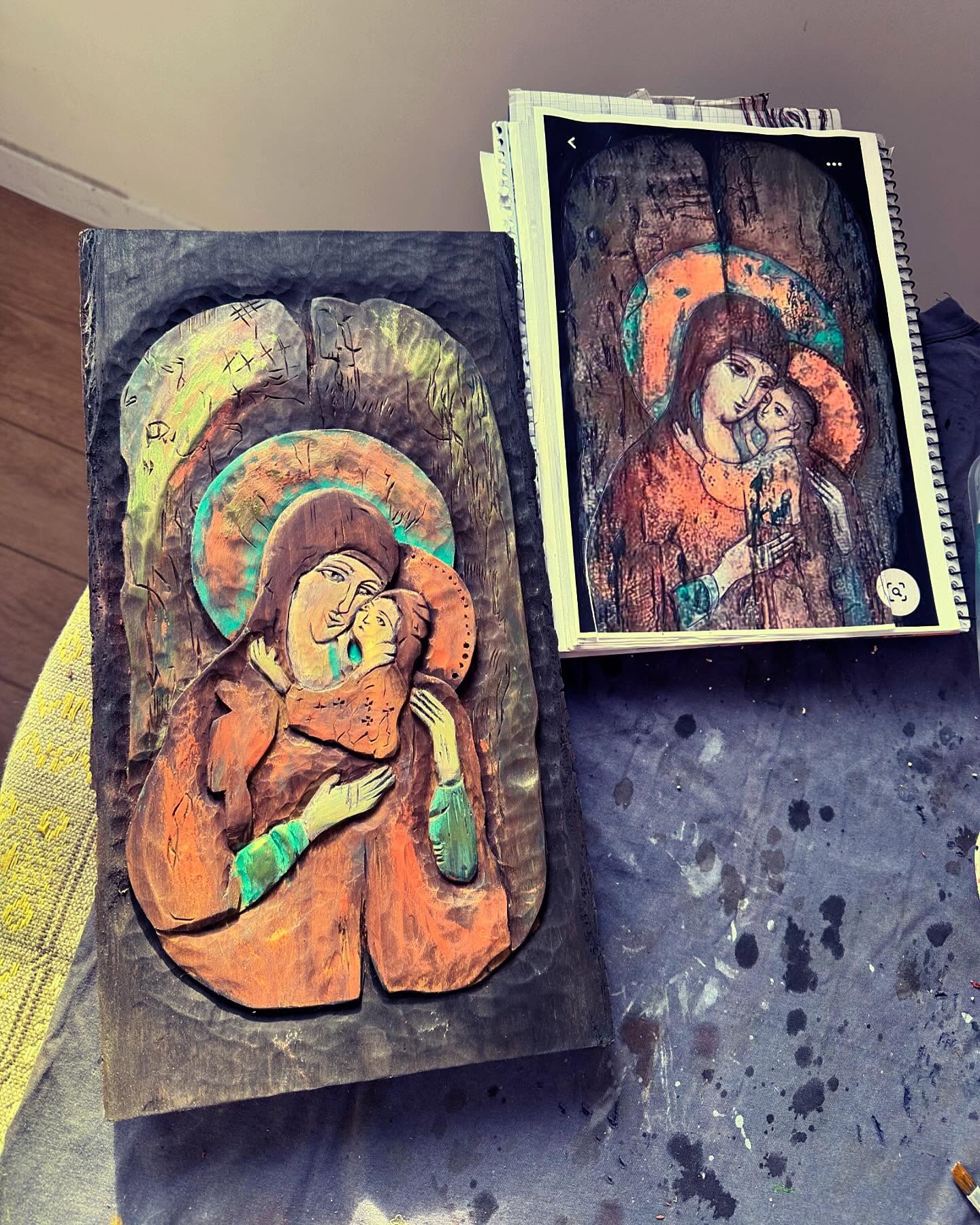
Icon Theotokos with Christ Child - 40x27x4, Warsaw, 2024
Project overview
I carved this icon of the Theotokos with Christ Child in 2024. It's 40x27x4 cm, made in Warsaw. This is a large format icon that took about 120 hours of work. I followed traditional iconographic techniques while adding my own carving details.
Making icons
Carving icons requires both technical skill and respect for the tradition. I follow traditional iconographic rules while working in wood, which means paying attention to proportions, symbols, and the overall composition.
Design approach
I followed traditional iconography:
- Traditional symbols: Used established religious symbolism
- Carving details: Added decorative elements through carving
- Classic proportions: Followed traditional icon proportions
- Respectful work: Treated this as a religious object, not just art
Technical details
- Material: Premium quality wood (linden or similar hardwood)
- Dimensions: Large format icon for prominent display
- Finish: Natural wood finish with protective coating
- Technique: Hand-carved using traditional woodcarving tools
- Design: Traditional religious iconography with contemporary craftsmanship
- Duration: Approximately 120+ hours of handwork
- Style: Traditional icon with modern precision
Project gallery
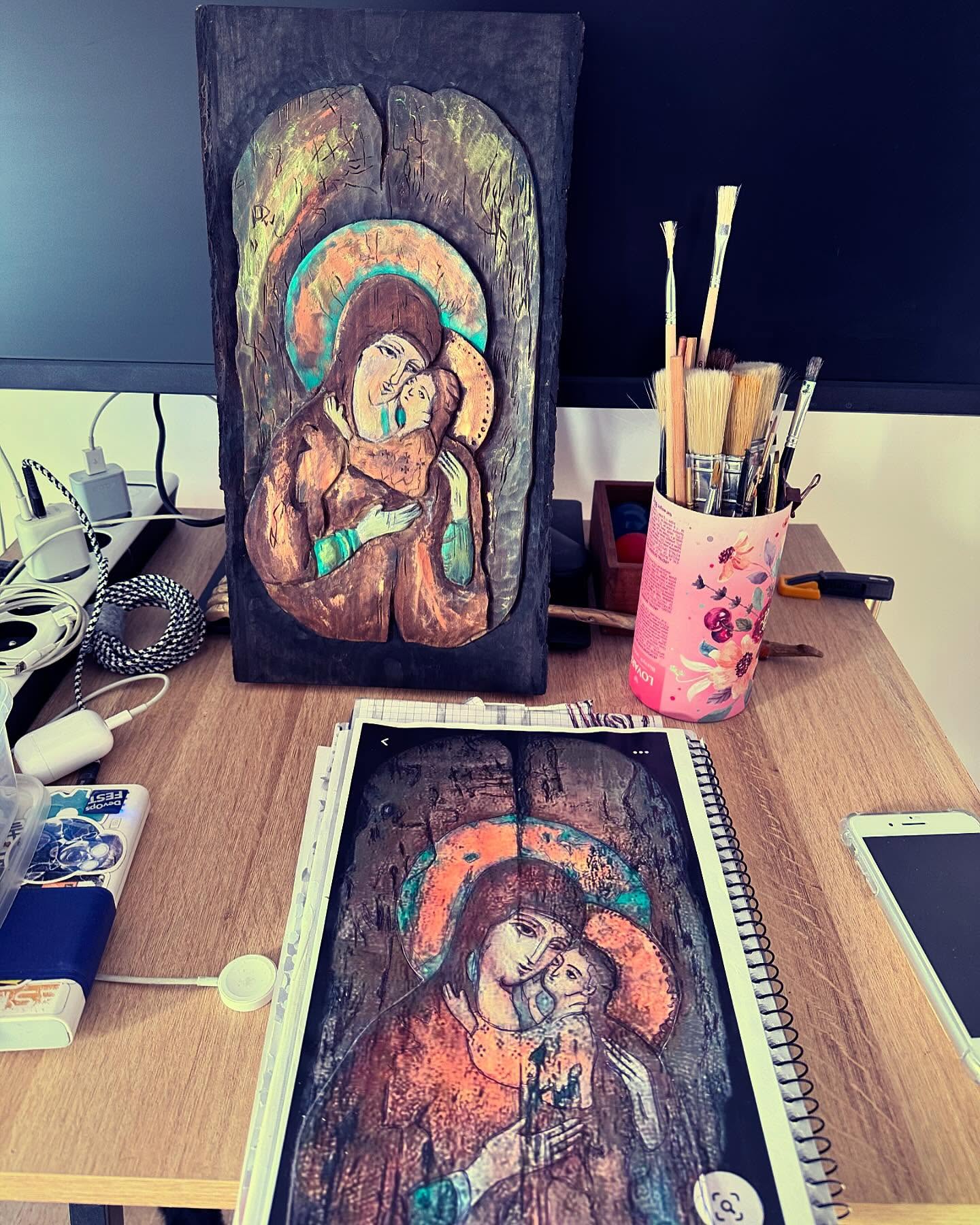
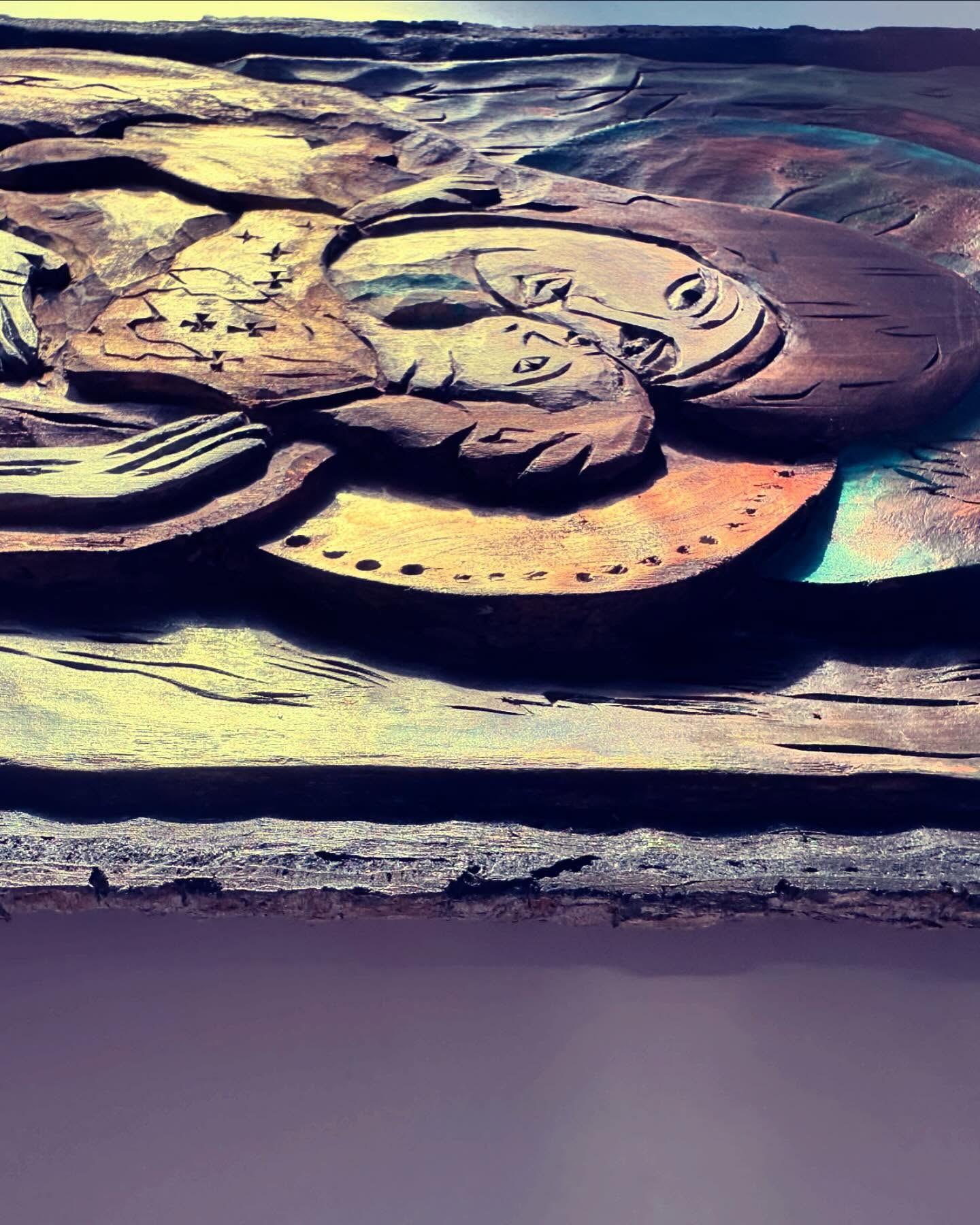
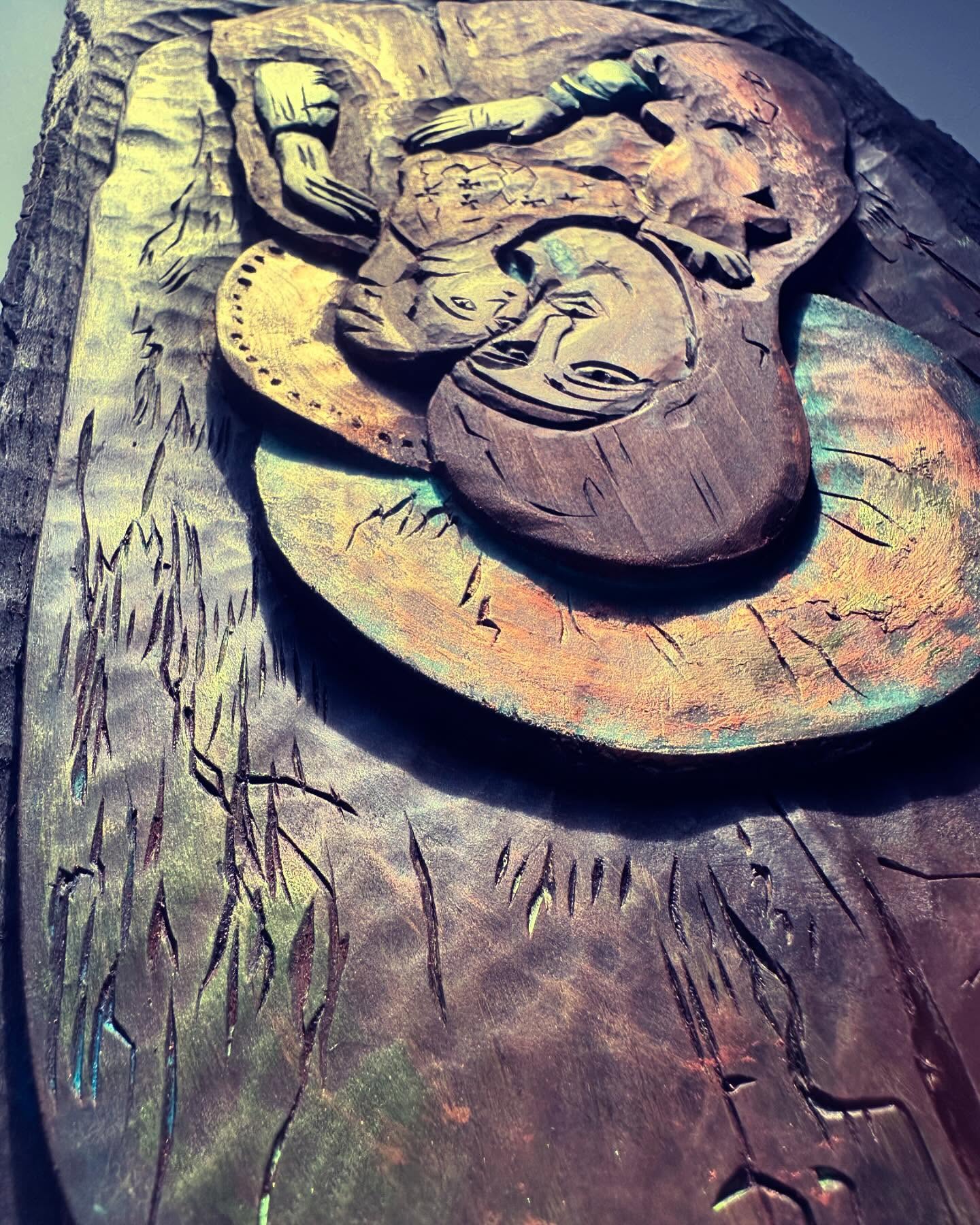
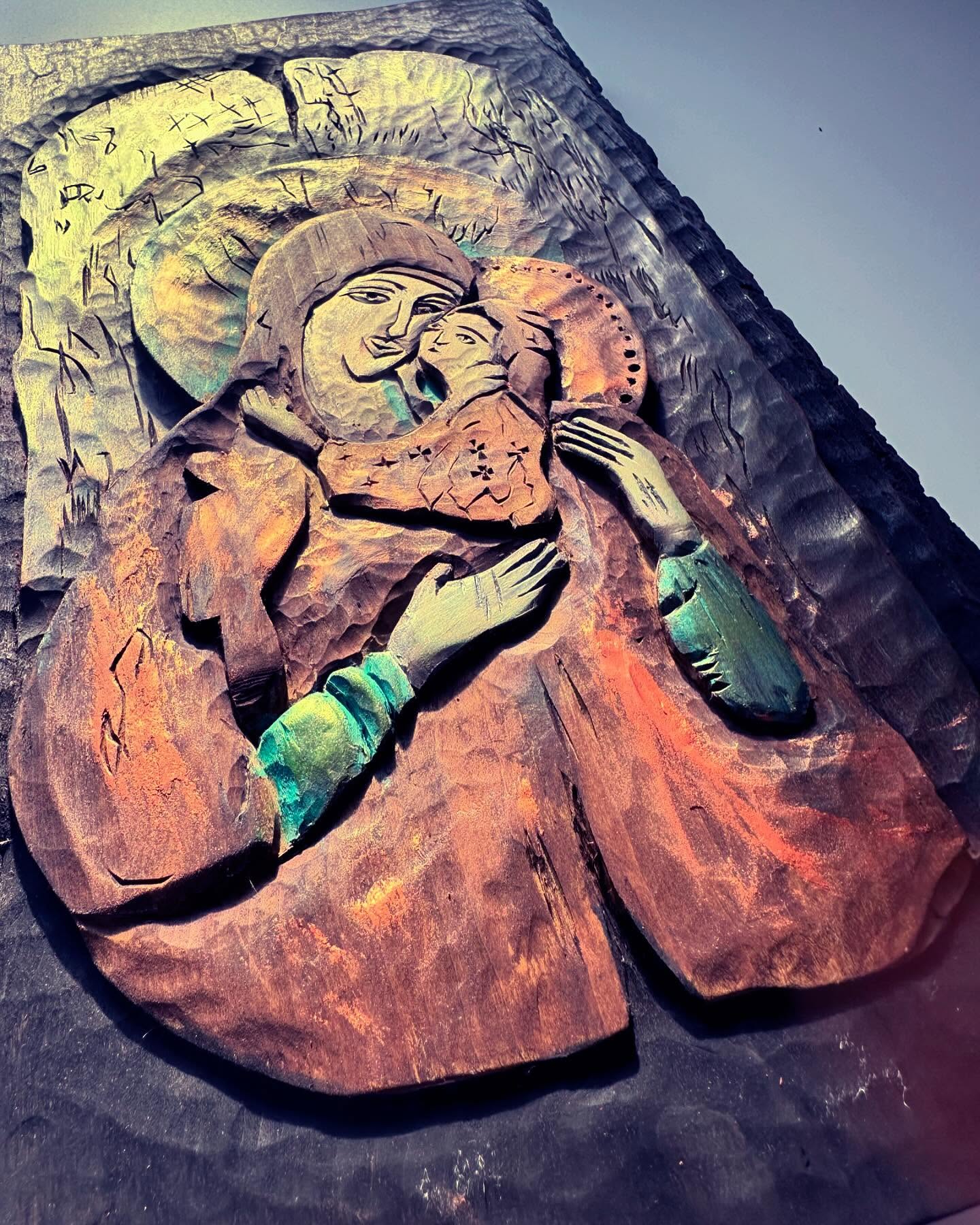
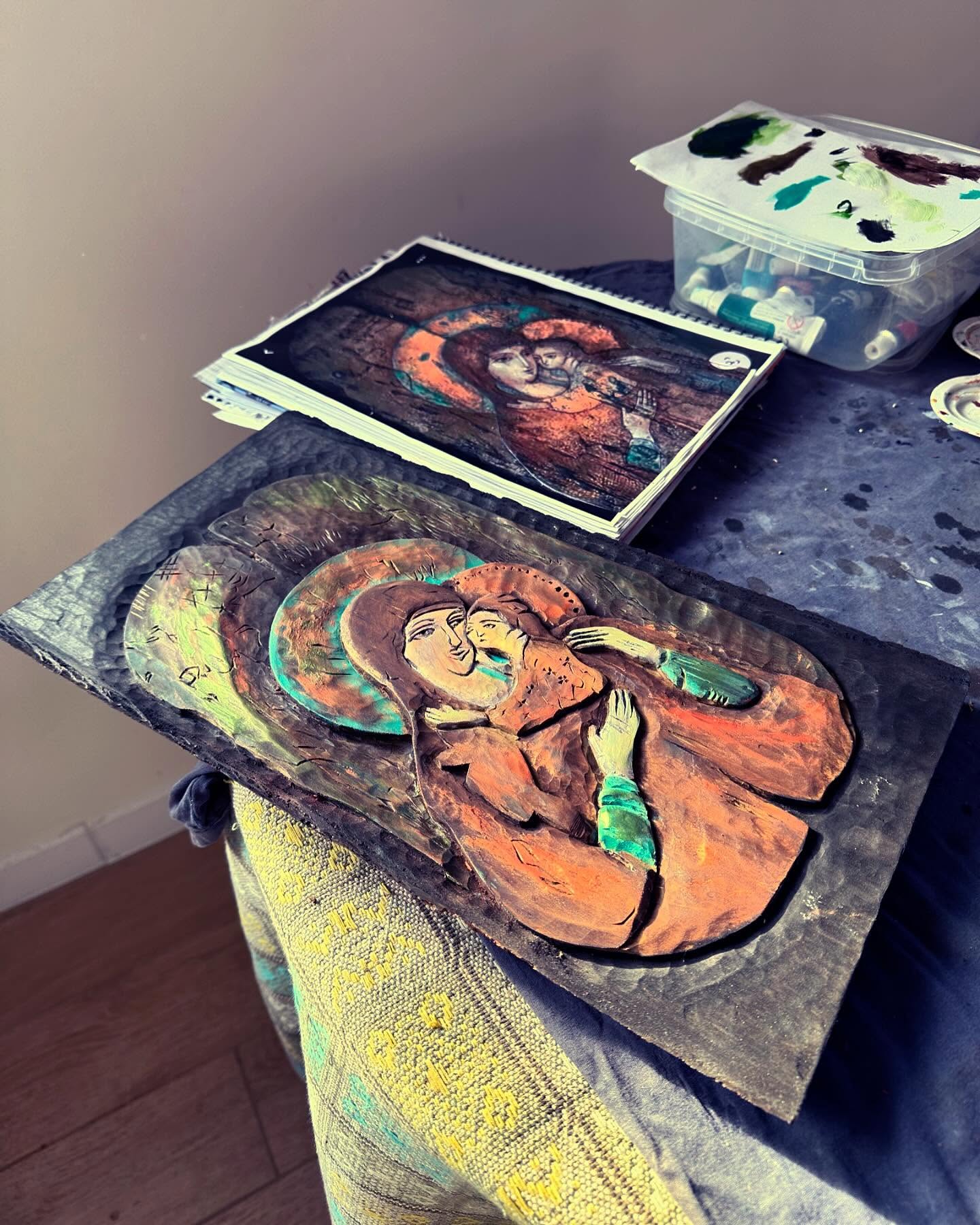
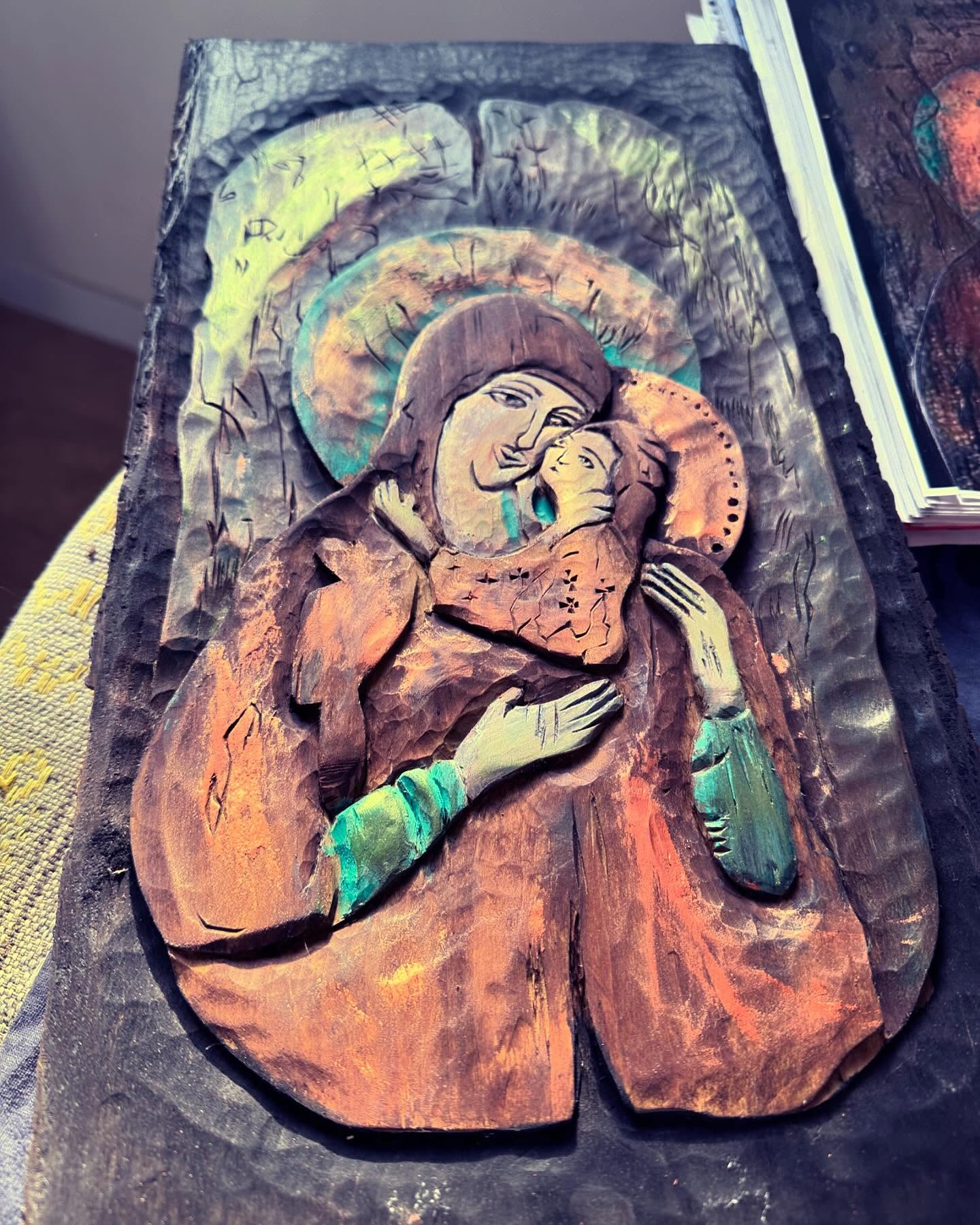
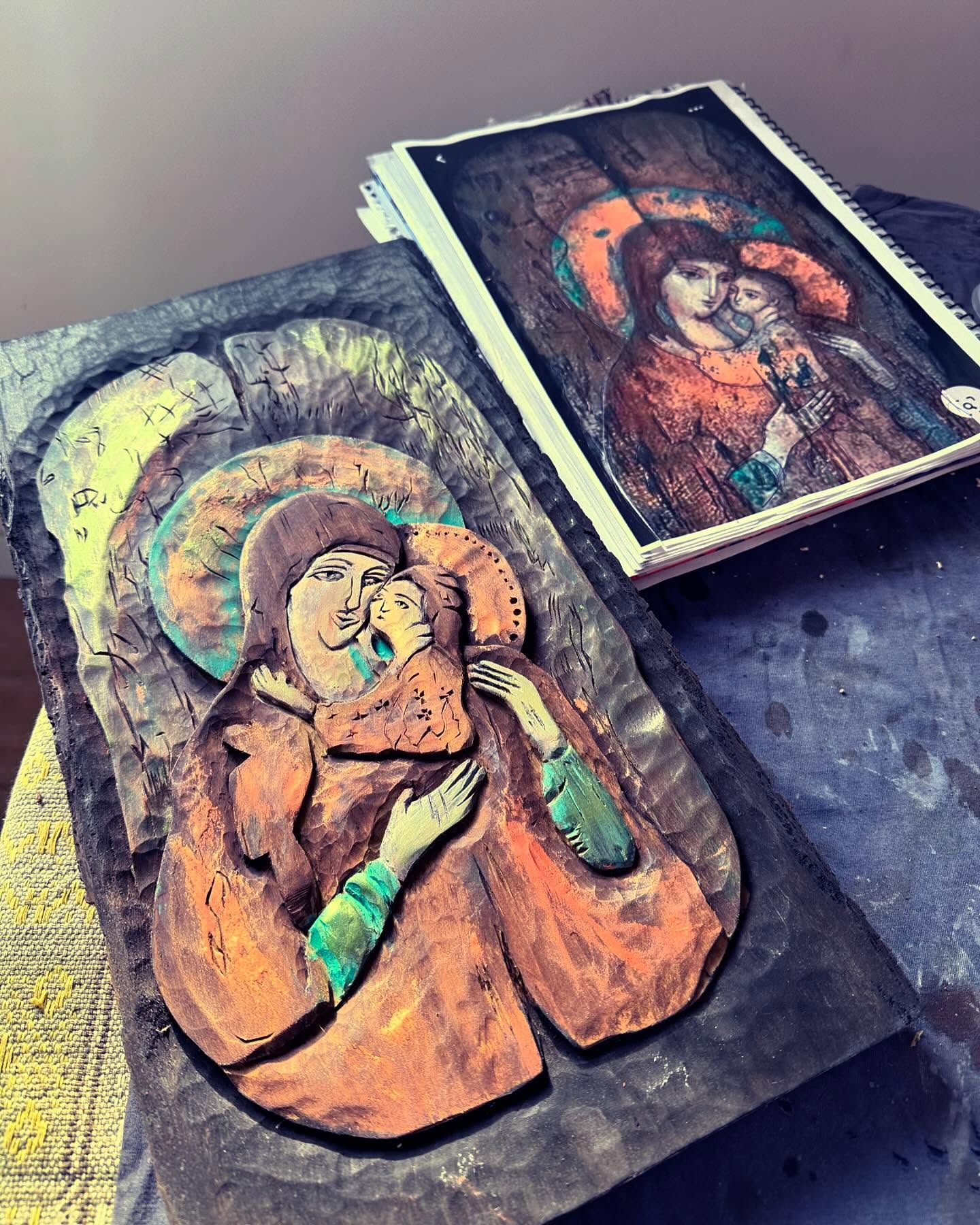
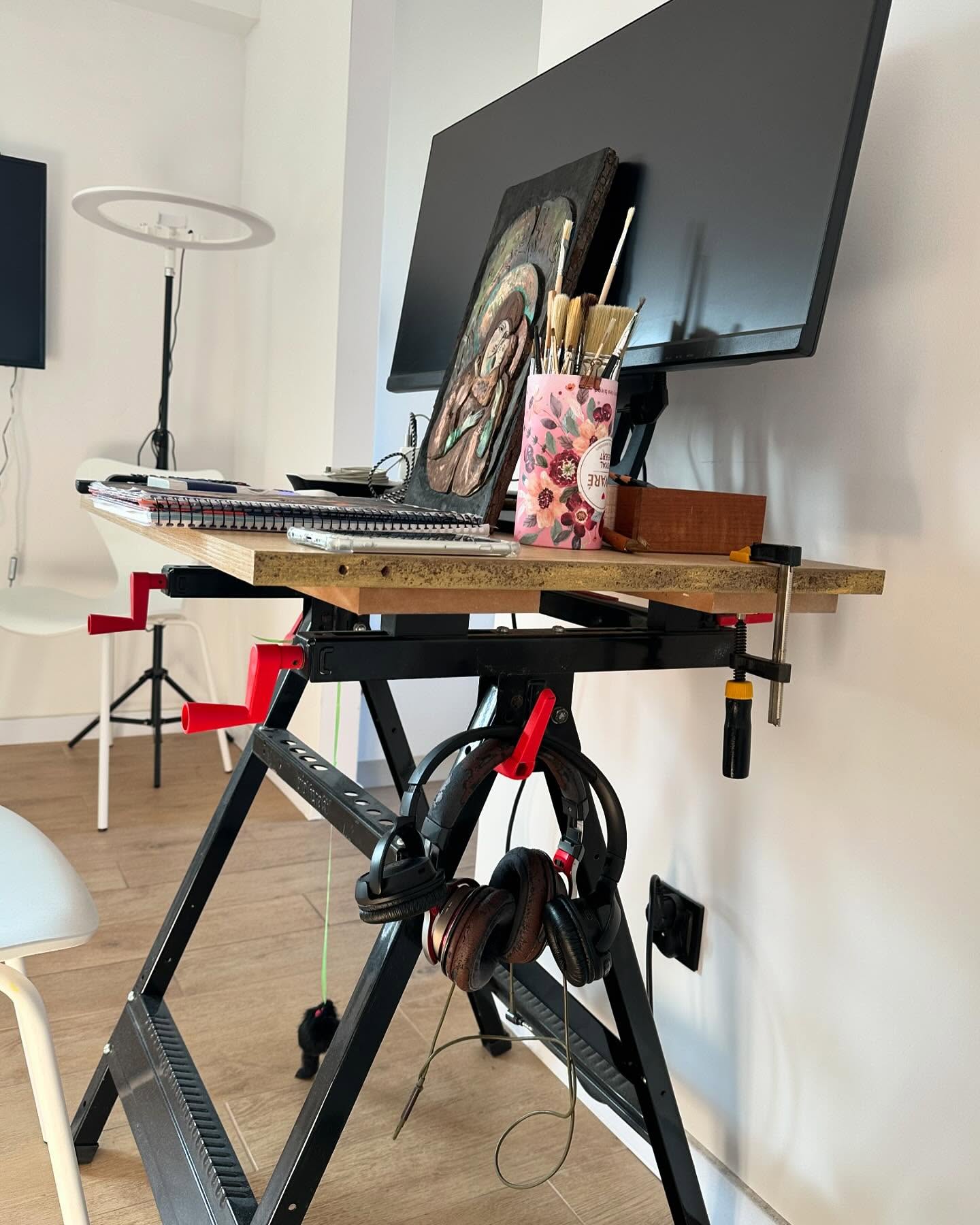
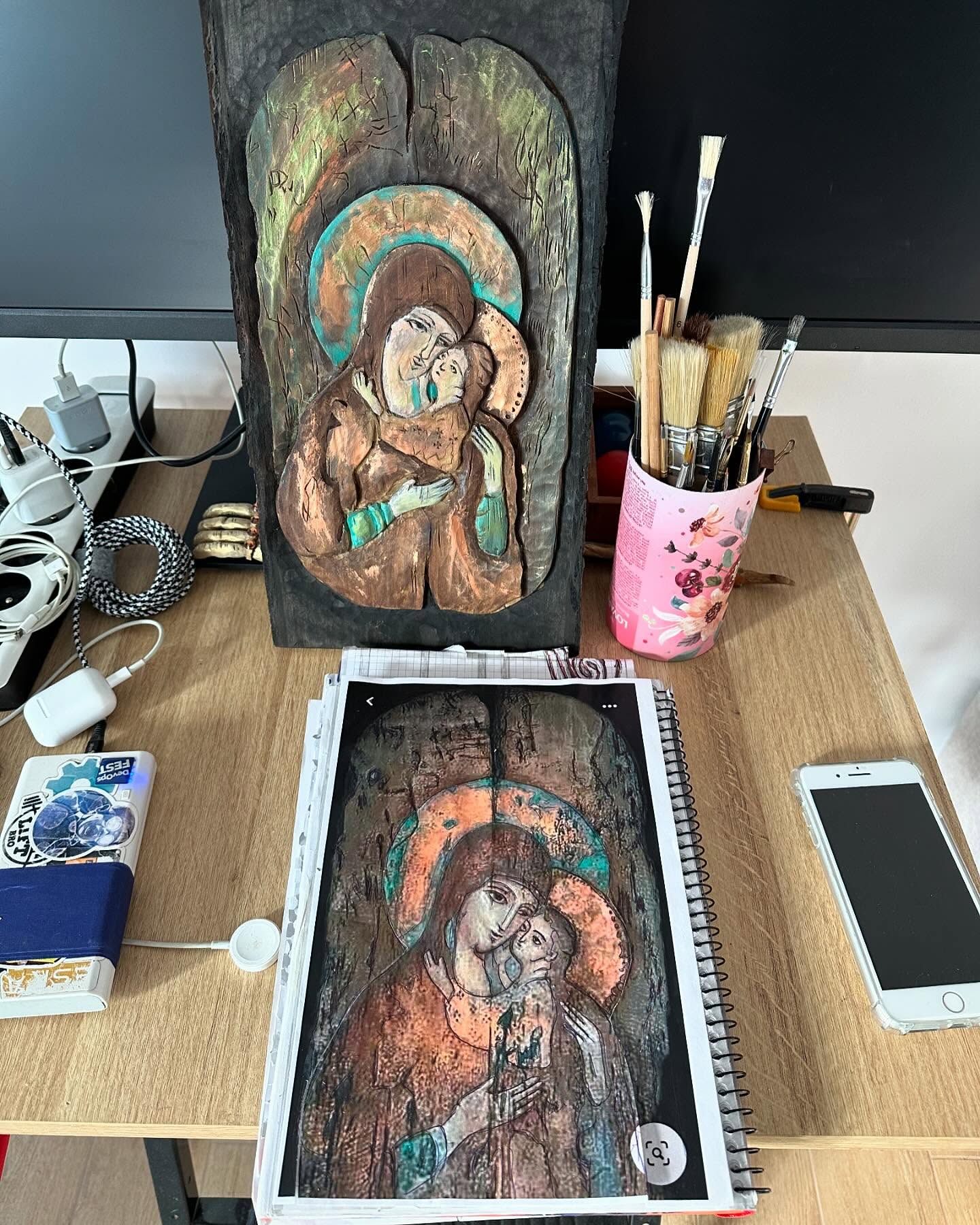
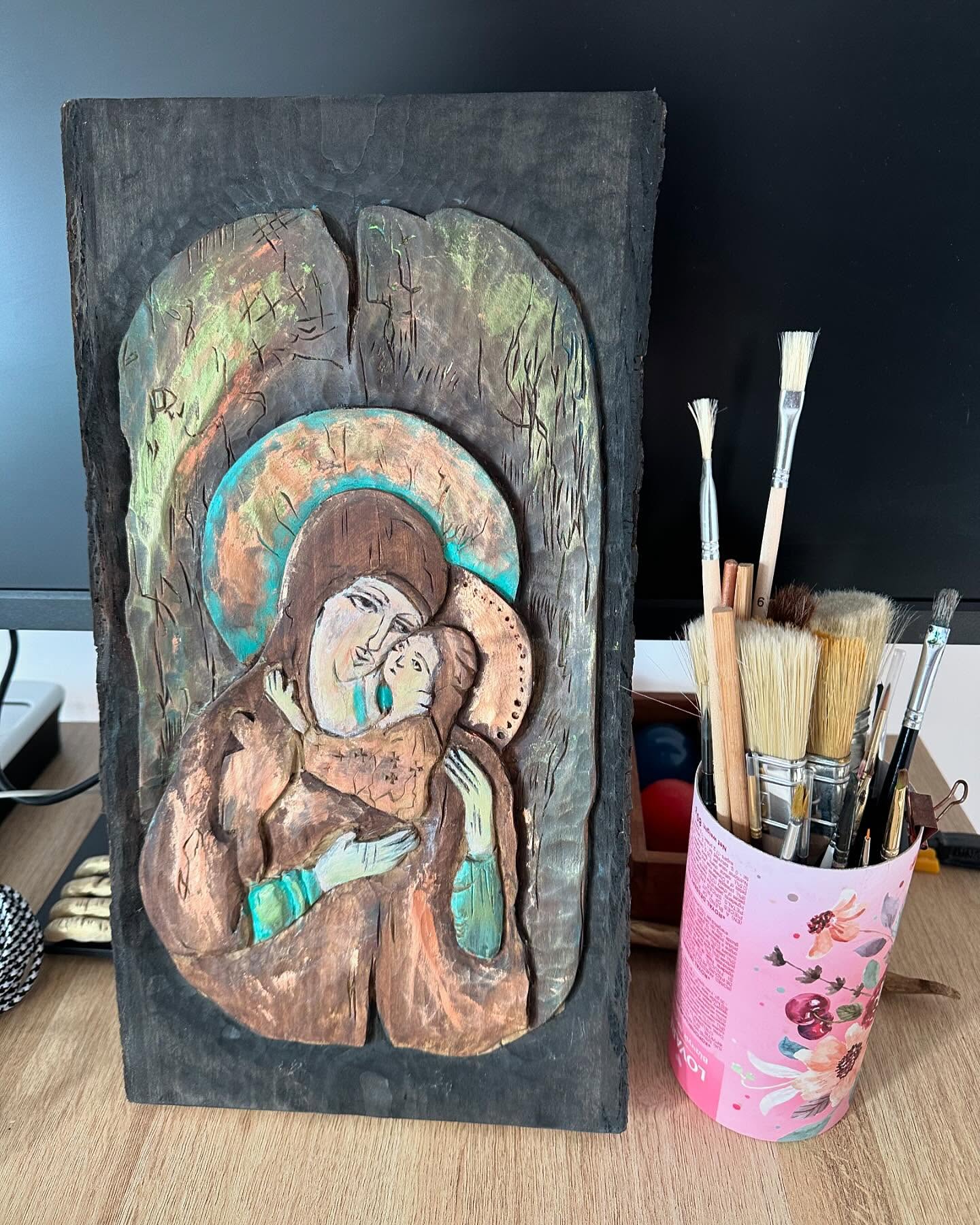
Project progress
Craftsmanship details
Carving techniques used
- Relief carving: Creating depth and dimension in the religious symbols
- Detail carving: Adding intricate patterns and textures
- Smooth finishing: Ensuring the surface is suitable for religious use
- Precision work: Maintaining exact proportions for traditional iconography
- Symbolic accuracy: Ensuring all religious symbols are correctly represented
Quality assurance
Each icon undergoes multiple quality checks: - Proportional accuracy: Ensuring all elements are correctly sized - Surface smoothness: Checking for any rough edges or imperfections - Structural integrity: Verifying the stability of the icon - Finish consistency: Ensuring uniform appearance - Spiritual appropriateness: Confirming the icon meets religious standards
Special features
- Traditional design: Based on centuries-old iconographic traditions
- Handcrafted quality: Each detail carved by hand with precision
- Durable construction: Built to last for generations
- Spiritual significance: Created with reverence and respect for religious tradition
- Artistic value: Each icon is a unique work of sacred art
- Cultural preservation: Maintaining traditional icon-making techniques
Icon specifications
Design elements
- Traditional iconography: Following established religious art conventions
- Symbolic meaning: Each element carries spiritual significance
- Proportional accuracy: Maintaining traditional icon proportions
- Material quality: Using the finest wood for durability and beauty
Technical requirements
- Surface preparation: Carefully prepared wood surface for carving
- Carving precision: Exact execution of religious symbols
- Finish quality: Protective coating that preserves the wood
- Display suitability: Designed for prominent placement in religious settings
Process highlights
Here's how I made it:
- Planning: Sketched the design following traditional iconography
- Wood prep: Selected and prepared the wood
- Layout: Marked out all the symbols and patterns
- Rough carving: Shaped the basic form
- Details: Carved the religious symbols and decorative elements
- Refinement: Sanded and smoothed everything
- Finishing: Applied protective finish
- Review: Checked that everything follows traditional iconographic rules
Cultural significance
This icon represents more than just a piece of art - it is a connection to centuries of religious tradition and cultural heritage. The careful craftsmanship ensures that the icon will serve its spiritual purpose while also being a beautiful addition to any religious space.
Traditional techniques
The creation of this icon follows traditional methods that have been passed down through generations of craftsmen, ensuring that the spiritual and artistic integrity of the piece is maintained.
Conclusion
This icon was a big project. Following traditional iconography while working in wood requires careful attention to detail. The end result is something that can be used for its intended religious purpose while also being a piece of craftsmanship.
This project was completed in 2024, representing over 70 hours of dedicated handwork to create this traditional religious icon with contemporary craftsmanship.